
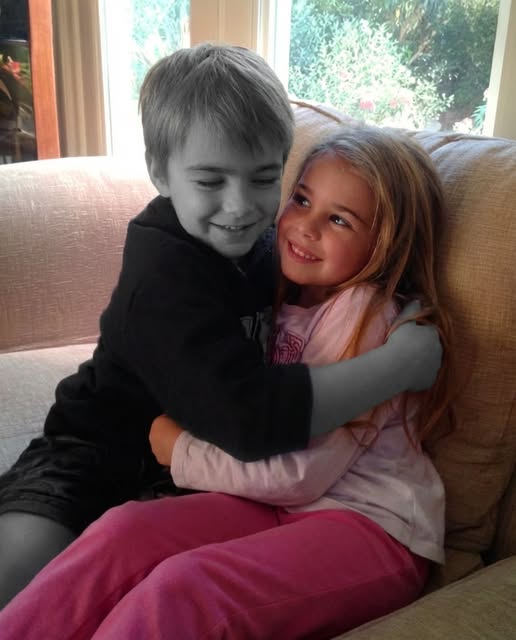
A month after burying my eight-year-old son, I thought I had learned the shape of grief—how it settles into rooms and turns ordinary afternoons unbearably quiet. Then my five-year-old daughter pointed to the pale-yellow house across the street and said, with unsettling certainty, that her brother was smiling at her from the window. In that instant, the fragile balance I’d built shattered. I wondered whether sorrow was playing cruel tricks on a child’s imagination—or whether something impossible was asking to be seen.
Since the accident, our home had felt heavier, as if every corner remembered Lucas. His half-built toys stayed where he left them; his laughter lingered only in echoes. My husband tried to be strong, working longer hours, while I learned how to function around the ache for our daughter’s sake. She asked gentle questions at bedtime and accepted careful answers, until the day she insisted she had seen him—waving, smiling, present. I tried to reassure her, to explain that missing someone can make us see what we want. But her calm confidence unsettled me, especially when her drawings began to include a boy in a window across the street.
Days passed, and the story didn’t change. I told myself grief bends perception; it turns shadows into memories. Yet one morning, walking past that same house, I caught a glimpse of a small figure behind the curtain—an outline so familiar my heart stumbled. Logic argued with love, but love was louder. By then, sleep was scarce, and the pull to understand what my daughter was seeing grew stronger than my fear of being wrong.
I finally rang the doorbell. The answer was simple and quietly profound: the boy wasn’t a ghost, but an eight-year-old nephew staying temporarily with the neighbors while his mother recovered in the hospital. He liked to draw by the window. He had noticed a little girl waving from across the street and thought she wanted to play. There were no miracles, only a coincidence tender enough to loosen grief’s grip. When the children met, they laughed easily. And for the first time since Lucas died, the silence in our house softened—not because we had forgotten, but because joy had found a way back in.