
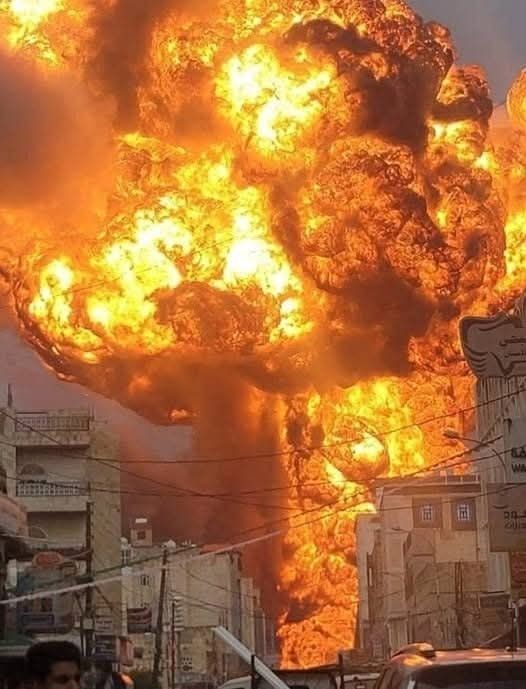
San Juan de Miraflores, Lima — A large structural fire erupted on Saturday afternoon in the Pamplona Alta area of San Juan de Miraflores, triggering an extensive emergency response and leaving a significant number of families without homes. The blaze, which spread quickly through a densely populated hillside neighborhood, prompted hours of firefighting efforts as crews worked to contain the flames, evacuate residents, and protect nearby structures.Although a full accounting of the damage is still underway, local officials estimate that dozens—potentially hundreds—of homes may have been damaged or destroyed, with early projections suggesting as many as 300 affected properties. Many families remain displaced, and community organizations have already begun coordinating to offer temporary support, supplies, and safe shelter.
A Rapidly Growing Fire in a High-Risk Area
According to early reports from firefighters on the ground, the fire escalated rapidly due to the composition and proximity of many homes in the area. Much of Pamplona Alta is built on steep hillsides and consists of homes constructed with lightweight, highly combustible materials.These factors contributed to:
- Intense heat and rapid flame spread
- Challenges for emergency teams navigating narrow passages
- Difficulty accessing certain homes due to terrain and neighborhood layout
- Heightened risk to nearby families attempting to evacuate in time
Residents described seeing smoke sweep across the hillside within minutes, forcing many to flee with only a few personal belongings.
Possible Connection to a Pyrotechnics Workshop
Emergency personnel noted that the fire may have involved a small, unregistered workshop suspected of storing fireworks or pyrotechnic materials. Video recordings shared by residents showed brief flashes and popping noises consistent with small ignitions.
While the exact cause of the fire is still being investigated, authorities have identified this location as an area of interest. Investigators from the fire department and municipal safety offices are now working to determine whether:
- The workshop played a direct role in the ignition
- Stored materials intensified the fire
- The activity at the site violated local safety regulations
Officials emphasized that the investigation is ongoing and that conclusions will not be announced until all evidence is reviewed.
Emergency Crews Contain the Fire
Despite the difficult conditions, firefighters from several stations across Lima arrived quickly to support containment efforts. Crews worked for hours to establish firebreaks, cool nearby structures, and assist families in evacuating the most affected blocks.
According to officials:
- The fire has been fully contained, though hotspots remain
- No fatalities have been reported as of the latest update
- Several residents experienced smoke inhalation but were treated on scene
- Evacuation teams helped move elderly individuals and small children to safer areas
The coordinated response prevented the fire from expanding into additional sectors of Pamplona Alta, where thousands of homes sit closely packed together.
Hundreds Left Without Shelter
One of the most significant outcomes of the incident is the number of people displaced. Local authorities estimate that several hundred residents have been affected, with many losing their homes entirely or suffering significant structural damage.
Families are reporting losses of:
- Clothing and personal items
- School materials
- Household appliances
- Work equipment
- Important documents
Community members expressed sadness and frustration as they surveyed the damage. For many, rebuilding will be a long and difficult process, especially given the limited economic resources in the area.
Humanitarian Response and Local Support Efforts
Within hours of the fire, local organizations, neighbors, and municipal offices began organizing support networks. Aid groups set up temporary donation centers where people can drop off essentials including:
- Bottled water
- Non-perishable food
- Blankets
- Clothing
- Hygiene products
- School supplies for children
Several community kitchens in the surrounding neighborhoods have also expanded their services, providing free meals for displaced families.The district municipality announced that it is preparing temporary shelter options while coordinating with national agencies to assess long-term housing solutions.
Government Agencies Begin Formal Damage Assessment
As firefighters continue cooling residual hotspots, engineering teams and municipal inspectors have begun evaluating the structural integrity of surviving homes. Their assessment will help determine:
- Which homes are safe to re-enter
- Which require partial repairs
- Which must be fully reconstructed
The Ministry of Housing and the National Institute of Civil Defense (INDECI) are expected to participate in a more detailed review in the coming days. Early damage estimates remain broad because many affected homes sit along steep slopes, making access difficult and time-consuming.Officials noted that the full evaluation process may take several days or weeks due to the density of construction and the complexity of the terrain.
Residents Describe the Moment the Fire Started
Several residents who witnessed the early stages of the fire reported noticing smoke rising from a cluster of homes in a narrow portion of the hillside. Within minutes, strong winds carried flames into adjacent structures.
Locals shared accounts such as:
- “There was so much smoke that we could barely see the next street.”
- “People were shouting for everyone to leave their houses before the flames reached them.”
- “The firefighters arrived quickly, but the fire was already very big.”
Some families had only seconds to evacuate, leaving behind most of their possessions.
Firefighters Highlight Ongoing Challenges in Dense Urban Settlements
Fire crews emphasized that neighborhoods with informal or improvised housing face particular risks when fires occur. Factors that often complicate emergency responses include:
- Extremely narrow passages that restrict vehicle access
- Homes constructed from wood, plywood, plastic sheets, or other flammable materials
- Hillside structures that can collapse or spread flames vertically
- Limited water access points
- Electrical installations that may not meet modern safety standards
Officials reiterated the importance of fire-prevention education, especially in areas with elevated risk due to structure density and construction materials.
Authorities Call for Long-Term Prevention Measures
In the aftermath of the incident, local leaders and safety experts are urging renewed investment in:
- Safer construction materials
- Community education programs
- Fire extinguisher distribution campaigns
- Organized neighborhood fire brigades
- Stronger monitoring of workshops and storage areas
- Improved emergency access routes
Officials note that prevention and community awareness are essential in reducing the likelihood and severity of fires in hillside districts like Pamplona Alta.
Community Initiatives and Grassroots Efforts
In the aftermath of the incident, local leaders and safety experts are urging renewed investment in:
- Safer construction materials
- Community education programs
- Fire extinguisher distribution campaigns
- Organized neighborhood fire brigades
- Stronger monitoring of workshops and storage areas
- Improved emergency access routes
Officials note that prevention and community awareness are essential in reducing the likelihood and severity of fires in hillside districts like Pamplona Alta.
Community Initiatives and Grassroots Efforts
Discover more
Silverfish traps repellents
Home pest control products
Search engine optimization
Memory care resources
television
Affiliate marketing guide
Internet trends report
Food processor blender
Identity theft protection
Celebrity biographies books
Following the fire, several local residents and community organizations have mobilized to implement grassroots safety measures. In addition to immediate relief efforts, these initiatives aim to reduce fire risk in the future and foster community resilience. Among the actions being organized are:
- Neighborhood safety committees: Local volunteers are forming groups to educate residents on fire safety, develop emergency evacuation plans, and provide guidance on maintaining fire-safe homes.
- Fire drills and training workshops: Volunteers and local NGOs are arranging regular training sessions, teaching residents how to use fire extinguishers, safely handle flammable materials, and respond in case of an emergency.
- Youth engagement programs: Schools and youth centers are incorporating fire safety awareness into extracurricular activities, helping younger generations understand the importance of caution with electricity, cooking, and other fire hazards.
Community leaders stress that informed and prepared residents are the first line of defense against fires, particularly in areas with dense housing.
Government Response and Coordination
Local authorities, in coordination with national agencies, have launched a comprehensive plan to address both the short-term and long-term consequences of the fire. Measures include:
- Emergency shelter and aid
Temporary shelters have been established in nearby community centers and schools to provide displaced families with safe accommodation, meals, and essential supplies. Social services teams are also assisting residents in accessing healthcare, counseling, and financial support for rebuilding. - Damage assessment and reconstruction
Engineers and municipal inspectors are conducting structural evaluations to determine which homes can be repaired and which require complete rebuilding. The Ministry of Housing and Construction has committed to allocating funds for safer reconstruction materials and resilient building practices. - Risk mitigation for similar districts
Officials are prioritizing inspections in other hillside neighborhoods where homes are constructed with flammable materials. These inspections include checks on electrical installations, storage of combustible materials, and access for emergency vehicles. - Strengthened regulatory oversight
Local governments plan to implement stricter monitoring of informal workshops, storage of fireworks or pyrotechnics, and unauthorized industrial activities. These measures aim to reduce preventable fire risks in residential areas.
Lessons Learned from Pamplona Alta
Experts analyzing the incident emphasize several key lessons for both residents and authorities:
- Importance of construction standards: Using fire-resistant materials and ensuring proper spacing between homes can significantly slow fire spread.
- Emergency preparedness: Clearly marked escape routes, accessible water points, and functional fire extinguishers are crucial in densely populated neighborhoods.
- Community cooperation: Rapid alerts, neighborhood monitoring, and coordinated evacuation efforts can save lives and reduce property loss.
- Targeted inspections: Regular safety checks of workshops, storage areas, and high-risk zones prevent small accidents from escalating into major disasters.
These insights will inform future municipal policies and community programs, aiming to minimize risk and improve response capacity across the city.
Role of Non-Governmental Organizations (NGOs) and Volunteers
In addition to governmental efforts, NGOs have played a significant role in both immediate relief and long-term recovery planning. Some of the ongoing contributions include:
- Food and supply distribution: NGOs are coordinating donations of clothing, food, hygiene items, and school supplies for children affected by the fire.
- Mental health support: Counseling services are being provided for residents experiencing trauma, particularly children who witnessed the fire.
- Reconstruction training: Volunteer programs are teaching residents basic construction and repair techniques using fire-resistant materials, helping families rebuild safer homes.
These combined efforts demonstrate how community and institutional collaboration is essential for addressing both the human and structural impacts of major urban fires.
Technology and Fire Prevention Initiatives
Authorities are increasingly exploring technological solutions to support fire prevention and rapid response, including:
- Early warning systems: Sensors and alarms in high-risk neighborhoods that detect smoke or unusual heat activity.
- Mapping and monitoring software: Digital maps that highlight dense housing areas, emergency access routes, and hydrant locations for faster response.
- Drones for aerial surveillance: Providing real-time assessments during large fires or difficult-to-reach areas, aiding firefighters in resource allocation and evacuation decisions.
Officials note that combining technology with community engagement can significantly improve fire preparedness and response efficiency.
Economic and Social Impact on Affected Families
Beyond physical damage, the fire has caused significant social and economic disruption. Many families in Pamplona Alta lost not only their homes but also personal belongings, work tools, and important documents. Recovery will involve:
- Rebuilding homes with durable materials
- Replacing personal items and essentials
- Accessing healthcare and mental health support
- Returning children to schools affected by displacement
Local business owners in the area also report temporary closures due to damage, loss of inventory, or disrupted transportation. Community leaders stress that coordinated support is critical to stabilizing both families and the local economy in the aftermath.
Ongoing Safety Campaigns and Public Awareness
In the wake of the fire, authorities and community groups have intensified public safety campaigns emphasizing:
- Safe use of electrical appliances
- Proper storage of flammable materials
- Fire extinguisher training and usage
- Emergency evacuation planning
- Reporting of unsafe workshops or storage areas
These campaigns aim to educate residents about preventive measures they can take and empower communities to reduce risks on their own, complementing formal government efforts.
Looking Ahead: Building a Resilient Community
The Pamplona Alta fire has highlighted the vulnerability of densely populated hillside neighborhoods but also demonstrated the strength and resilience of the local community. Through coordinated efforts by authorities, NGOs, and residents, the area is expected to recover, with lessons from this incident informing safer urban planning and fire prevention strategies.
Authorities have pledged to continue:
- Monitoring high-risk areas
- Implementing stricter construction standards
- Supporting long-term housing and infrastructure improvements
- Engaging communities in proactive safety education
While recovery will take time, the collaborative response sets a precedent for preparedness, resilience, and community-driven safety initiatives in Lima and other urban areas facing similar risks.
