
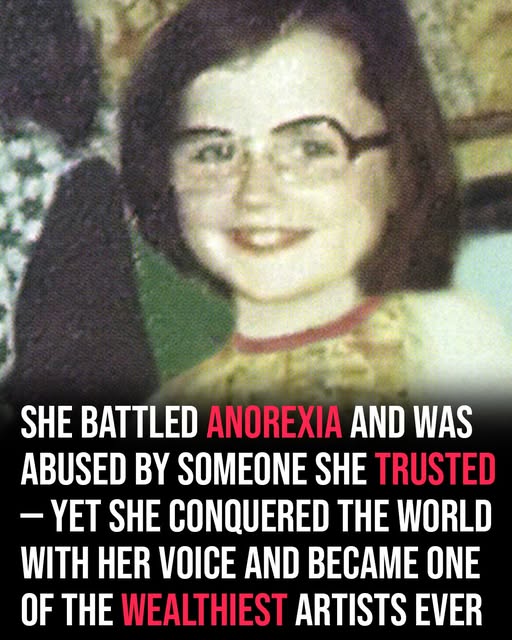
Dolores O’Riordan’s voice was unmistakable, haunting, and powerful—a sound that resonated across generations and brought the unique spirit of Ireland to the global stage.
Born on September 6, 1971, in Ballybricken, County Limerick, Ireland, O’Riordan would grow up to become one of the most iconic female vocalists in rock history.
Yet behind the ethereal music, her life was marked by struggle, tragedy, and a relentless fight against personal demons that would ultimately cast a shadow over her extraordinary talent.
Early Life: Growing Up in Rural Ireland
Dolores O’Riordan was the youngest of nine children in a devout Roman Catholic family. Her mother, Eileen, worked as a school caterer, and her father, Terence, had been a farm laborer until a 1968 motorbike accident left him with significant brain damage.
Despite these challenges, O’Riordan grew up in a modest but loving household. Her mother named her after the Lady of the Seven Dolours, reflecting the family’s deep Catholic faith.

Her childhood was shaped by isolation and the mystical atmosphere of rural Ireland, a place steeped in folklore, legends, and timeless stories.
Dolores described her early years as “sheltered, pure and trippy in a childlike way,” sharing how she spent hours talking to birds and cows and confiding in her dog, who she considered a personal therapist.
From an extraordinarily young age, it was clear that Dolores had a rare gift for music.
Sources report that she was singing before she could even talk, and by the age of five, her talent had been recognized by her school principal, who placed her on a teacher’s desk to perform for a group of twelve-year-olds.
Dolores began her musical journey with traditional Irish songs and learned to play the tin whistle at school.
When she was just seven years old, her family experienced a devastating accident that left their home destroyed by fire.
Yet, the tight-knit rural community rallied around the family, raising funds to rebuild their home—a formative experience that instilled in Dolores a sense of communal support and resilience.
Adolescence: A Strict Catholic Upbringing
Despite her burgeoning musical talent, Dolores’ teenage years were marked by strict routines and a disciplined upbringing.
She described her life as revolving around piano lessons, church, and homework, with little time for the frivolities of youth.
At the same time, her wild, spirited personality began to shine through—a trait that would later make her a magnetic stage presence.
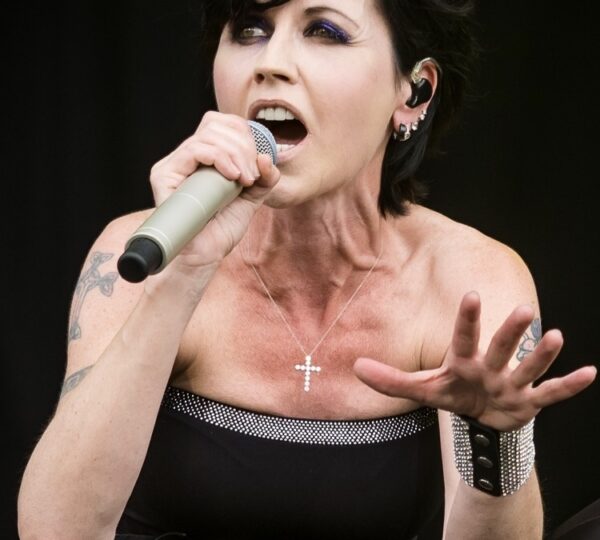
Her school friend, Catherina Egan, recalled her as “boisterous, wild, but lovely,” hinting at the contradictions that would define her life: a tender, introspective soul coupled with a fearless, unrestrained performer.
Dolores openly reflected on her struggle with conventional gender norms, admitting in a 2001 interview with the Sunday Independent that she was “anti anything that was girlie” until she turned 17.
Encouraged by her mother to pursue either the convent or a career in music education, and advised by a priest to consider moving to Iceland, Dolores ultimately decided to follow her own path.
At 18, she ran away from home, driven by her desire to sing professionally. She lived in relative poverty during this period, recounting that she often went hungry.
This period of hardship, however, was also formative, teaching her independence, resilience, and the determination to chase her dreams.
Rise to Fame: The Cranberries
In 1990, a local band in Limerick called The Cranberry Saw Us was searching for a new lead singer. Dolores auditioned, performing a few songs she had written.
Guitarist Noel Hogan recalled, “We were blown away that this small girl from Limerick had such an amazing voice. The fact that she wasn’t already in a band was a miracle.”
The band soon shortened its name to The Cranberries, and Dolores O’Riordan became their legendary frontwoman.
Initially shy on stage, often performing with her back to the audience, her unique Irish vocal tone and hauntingly emotive voice quickly captured the hearts of fans.
The band’s debut album, Everybody Else Is Doing It, So Why Can’t We? (1993), featuring hits like “Linger” and “Dreams,” propelled them into international stardom.
Their follow-up album, No Need to Argue (1994), solidified their status, with the politically charged anthem “Zombie” demonstrating Dolores’ ability to channel social and political realities into powerful, universally resonant music.
Dolores’ artistic vision was uncompromising. According to her former manager Allen Kovac, she resisted attempts by Island Records to replace “Zombie” with a more commercially safe song, even reportedly tearing up a $1 million check to maintain her creative integrity.
“Dolores was a very small, fragile person, but very opinionated,” Kovac told Rolling Stone. “She felt the need to expand beyond ‘I love you, you love me’ and write about what was happening in Ireland at the time.”

Personal Life and Motherhood
In 1994, Dolores married Don Burton, tour manager for Duran Duran, and the couple eventually moved to Canada.
They had three children together, and Dolores often spoke of motherhood as transformative, describing her children as “completely elemental in my healing process.”
Her personal life, however, was fraught with pain and trauma. Dolores revealed in interviews that she had been sexually abused for four years starting at the age of eight by someone she trusted.
https://syndicatedsearch.goog/afs/ads?sjk=L2jQ3KxJTOWgySr2QNfvLg%3D%3D&psid=5134551505&channel=AutoRsVariant&cx=r-98558ffd5eee6b4f9&fexp=31095746%2C31095904%2C31096041%2C95376241%2C95376583%2C95378600%2C95378750%2C95379481%2C95344790%2C21404%2C17301431%2C17301432%2C17301436%2C17301548%2C17301266%2C72717107&client=pub-9153507942483523&r=m&hl=en&rpbu=http%3A%2F%2Fgoogle.com&rpqp=q&type=3&rs_tt=c&oe=UTF-8&ie=UTF-8&format=r5&nocache=3401766513657361&num=0&output=afd_ads&domain_name=likya.org&v=3&bsl=10&pac=0&u_his=1&u_tz=60&dt=1766513657364&u_w=1280&u_h=800&biw=1265&bih=673&psw=1265&psh=28506&frm=0&uio=-&cont=autors-container-0&drt=0&jsid=csa&nfp=1&jsv=842209568&rurl=https%3A%2F%2Flikya.org%2Ffrom-small-town-ireland-to-global-rock-stardom-a-voice-that-defined-a-generation%2F&referer=https%3A%2F%2Flikya.org%2Ffrom-small-town-ireland-to-global-rock-stardom-a-voice-that-defined-a-generation-2%2F%3Ffbclid%3DIwY2xjawO3uz5leHRuA2FlbQIxMABicmlkETFIWjI3RXRjMGJqY05YMUluc3J0YwZhcHBfaWQQMjIyMDM5MTc4ODIwMDg5MgABHmeLDEM-7chGMT81W-XovKUiGYW7QgmNfryH8y0d3qSpSBZTF9sj9htQTWC7_aem_ZKiUcQ8NcGOVToei1PEg5A
The experience left deep emotional scars, and she spoke candidly about how this abuse continued to affect her life, particularly in relation to her own daughters. Dolores’ willingness to confront and discuss her traumatic past provided support and solidarity for survivors worldwide.
Struggles with Mental Health
The pressures of fame compounded Dolores’ personal struggles. She faced depression, anxiety, suicidal thoughts, and eating disorders, including anorexia.
The demands of international tours and recording schedules often intensified these struggles. By 1996, exhaustion had forced the band to cut a tour short, and she was advised to seek medical help.
“He said to her, ‘You’re not healthy enough to tour,’” recalled Kovac. Despite her attempts to manage these challenges, Dolores’ mental health struggles persisted throughout her life.
She was diagnosed with bipolar disorder and admitted to attempts at overdose in 2013, though she expressed a strong will to continue living for her children.
She also spoke openly about her struggles with alcohol, candidly acknowledging her tendency to binge drink in response to traumatic memories or stress.
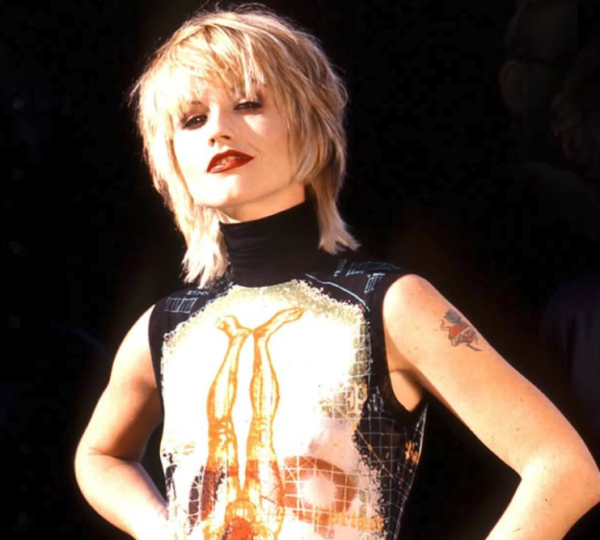
Dolores’ transparency about her battles with mental health and addiction resonated deeply with fans, highlighting the complex intersection of fame and personal vulnerability.
Later Career and Solo Work
Following The Cranberries’ initial disbandment in 2003, Dolores released two solo albums, which received limited commercial attention but demonstrated her enduring creative drive.
The band reunited in 2009, releasing Roses in 2012, widely regarded as one of their strongest later works.
Despite fluctuating commercial success, Dolores maintained a loyal fan base, with audiences continuing to connect with her authenticity, passion, and raw emotional power.
Her music often reflected personal pain, social issues, and political events. Beyond “Zombie,” Dolores’ songwriting demonstrated a deep engagement with the world around her, making her not only a voice for her generation but also a storyteller of personal and collective struggles.
Tragic Passing
On January 15, 2018, Dolores O’Riordan was found unresponsive in the bathroom of her London hotel room and pronounced dead at 9:16 a.m. She was 46 years old.
A coroner’s inquest later determined that her death was an accidental drowning in a bath, with alcohol intoxication playing a role.
Investigators found several empty bottles—five miniatures and a champagne bottle—alongside some prescription medications in her room.
Noel Hogan, The Cranberries’ guitarist, reflected on her passing: “Dolores went through a lot over the past decade — both highs and lows.
But what truly made her resonate with people was her honesty. What you saw was what you got.”
Some of Dolores’ final communications included voicemails left for Dan Waite, a label executive who had worked with The Cranberries in the early 2000s.
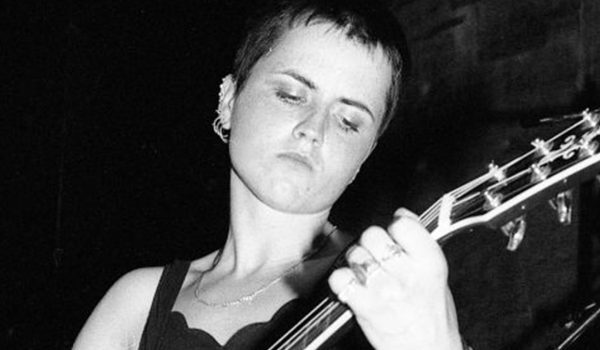
In these messages, she spoke fondly of her children and even sang a snippet of The Verve’s “Bitter Sweet Symphony,” reflecting a woman still connected to her art, family, and life plans, even in her final hours.
Legacy and Cultural Impact
Dolores O’Riordan’s impact on music and culture is profound. Her distinctive voice, blending Celtic inflections with raw emotional power, became instantly recognizable, influencing countless artists across genres.
The Cranberries’ fusion of alt-rock, folk, and politically conscious lyrics carved a unique space in 1990s music history, with hits like “Linger,” “Dreams,” and “Zombie” continuing to resonate decades later.
Beyond her artistry, Dolores’ openness about personal trauma, mental health, and motherhood made her a powerful role model.
She helped normalize discussions of abuse, mental illness, and addiction, showing that vulnerability and resilience could coexist. Her authenticity, combined with extraordinary talent, ensured that she would be remembered not only as a singer but as a courageous, multifaceted human being.
Final Thoughts
Dolores O’Riordan’s life was a complex tapestry of brilliance, struggle, and perseverance.
From her humble beginnings in rural Ireland to the heights of global superstardom, she remained fiercely independent, creatively uncompromising, and deeply connected to her roots. Her music continues to captivate audiences, offering both solace and inspiration.
Her story is also a stark reminder of the pressures faced by those in the public eye and the importance of mental health awareness.
Through her openness, Dolores provided countless fans with comfort and validation, ensuring her legacy extends far beyond her unforgettable voice.
Though her life ended tragically, the art she created, the truths she shared, and the generations she touched remain indelible.
Dolores O’Riordan will forever be remembered as a luminous talent whose voice and spirit transcended the ordinary, leaving a mark that time cannot erase.