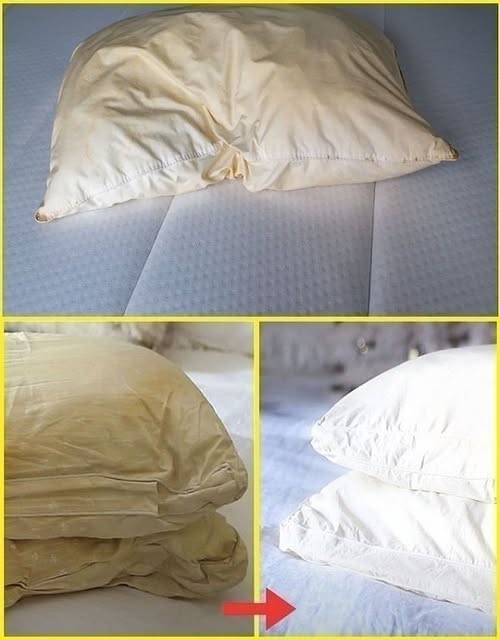
Pillows naturally absorb sweat, body oils, dust, and environmental particles over time, even when covered with protective pillowcases. This gradual buildup often leads to yellow stains, lingering odors, and a decline in overall freshness. Beyond appearance, a clean pillow is essential for maintaining healthy sleep habits, especially for individuals sensitive to allergens. Regular care helps reduce the presence of dust mites and other irritants, supporting cleaner air and more restful breathing throughout the night. Keeping pillows hygienic is an important part of maintaining a comfortable and healthy sleep environment.While many people remember to wash their pillowcases regularly, the pillow itself is often overlooked. Before beginning the cleaning process, it is important to read the care label to determine the correct washing method. Most synthetic, cotton, and feather pillows can be safely washed in a household machine using warm water and a mild detergent. To ensure thorough cleaning and balanced spinning, it is helpful to wash two pillows at once. Adding a small amount of baking soda or white vinegar can naturally remove stubborn odors and help brighten the fabric without exposing the pillow to harsh chemicals.It is best to avoid strong bleach, as it may weaken the fabric or shorten the lifespan of the pillow. After washing, proper drying is a crucial step. Pillows should be dried completely to prevent trapped moisture, which can cause unpleasant smells or even mold growth. Using a low-heat or air-dry cycle works well for most pillow types. Tossing in a few dryer balls or clean tennis balls helps maintain the pillow’s shape and restores its fluffiness. Feather and down pillows may require additional drying time, as they tend to retain moisture more than synthetic options.To keep pillows feeling fresh between washes, consider airing them outside in the sun from time to time, as natural sunlight can help reduce odors and refresh the filling. Using pillow protectors under pillowcases adds an extra layer of protection, preventing stains and extending the life of the pillow. Simple habits—such as avoiding food in bed and removing makeup before sleeping—can also minimize discoloration and buildup. Cleaning pillows every three to six months helps maintain their softness, support, and cleanliness. With consistent care, your pillows will remain comfortable, hygienic, and pleasant to use, contributing to healthier and more enjoyable sleep throughout the year.
Easy Ways to Clean Bed Pillows and Restore Their Fresh, Bright Look