In the wake of the tragic death of conservative political influencer Charlie Kirk in September 2025.
Actress Amanda Seyfried became the center of a major cultural and political controversy after publicly labeling Kirk “hateful” on social media.
Over the ensuing months, her remarks sparked intense backlash online, with critics arguing she was insensitive, while supporters contended she was exercising her right to speak honestly about a public figure’s rhetoric.
Recently, in a wide‑ranging interview, Seyfried made clear that she does not regret her comment — and will not apologize for it.
Charlie Kirk’s Death and the Outpouring of Public Reaction
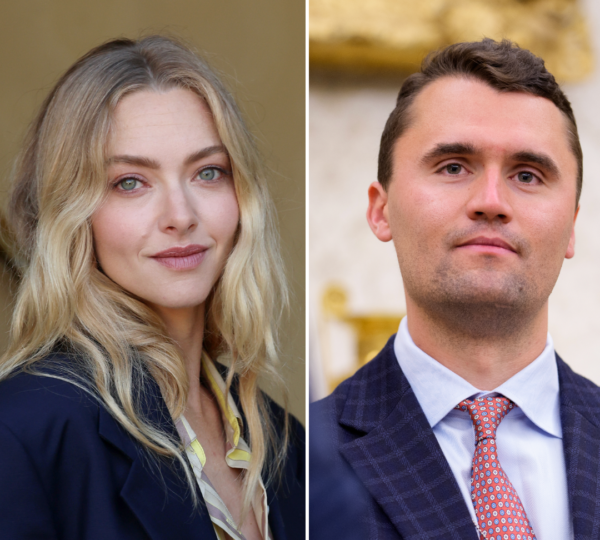
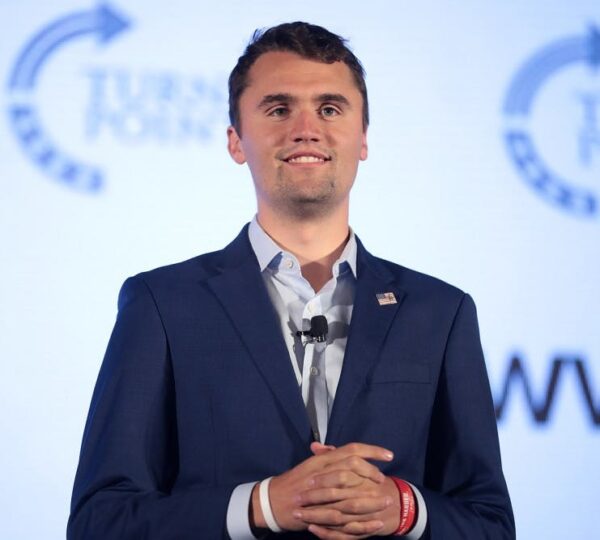
Charlie Kirk — the founder of the conservative youth organization Turning Point USA and a prominent right‑wing commentator — was shot and killed on September 10, 2025, during an outdoor speaking event at Utah Valley University in Orem, Utah.He was 31 years old at the time of his death. The news of the assassination reverberated across the United States and globally, prompting responses from political figures, activists, media personalities, and everyday citizens.Kirk’s death intensified longstanding debates about political polarization, the rhetoric used in contemporary discourse, and the alarming prevalence of public violence.Many mourned his loss and praised his activism and influence; others criticized his ideological stances and the divisiveness they believed he perpetuated.
Amanda Seyfried’s Original Instagram Comment
Shortly after Kirk’s death, Amanda Seyfried — the Oscar‑nominated actress known for films like Mean Girls and Mamma Mia! — took to Instagram and commented on a viral post that highlighted some of Kirk’s more controversial statements about abortion, immigration, and race.Under that post, she wrote a brief but striking comment: “He was hateful.”
That single remark sparked immediate controversy. Some social media users interpreted it as part of a broader celebration of Kirk’s death; others criticized Seyfried for publicly judging a man just hours after his assassination.Some went so far as to call for boycotts of her films, and dozens of messages sent to her online were hostile and threatening.

Her Clarification Days Later
Seyfried quickly realized that her brief comment was being misconstrued by many people online.
Shortly after her initial Instagram remark, she shared a longer statement from her own account, trying to clarify her position and distinguish between condemning harmful rhetoric and condemning violence itself. In that post, she wrote:“We’re forgetting the nuance of humanity. I can get angry about misogyny and racist rhetoric and ALSO very much agree that Charlie Kirk’s murder was absolutely disturbing and deplorable in every way imaginable.No one should have to experience this level of violence. This country is grieving too many senseless and violent deaths and shootings. Can we agree on that at least?”Seyfried’s clarification emphasized two points:
She believed that at least some of Kirk’s public statements exhibited hateful or divisive language.She clearly condemned the violence of his death, calling it disturbing and deplorable. Her intention, she later explained, was not to celebrate or justify the killing, but to highlight broader societal problems.The Recent Interview: She Refuses to Apologize
Despite the clarification, debate continued for months online and in media outlets. Critics accused her of insensitivity, while others defended her right to express an opinion about a public figure’s rhetoric.
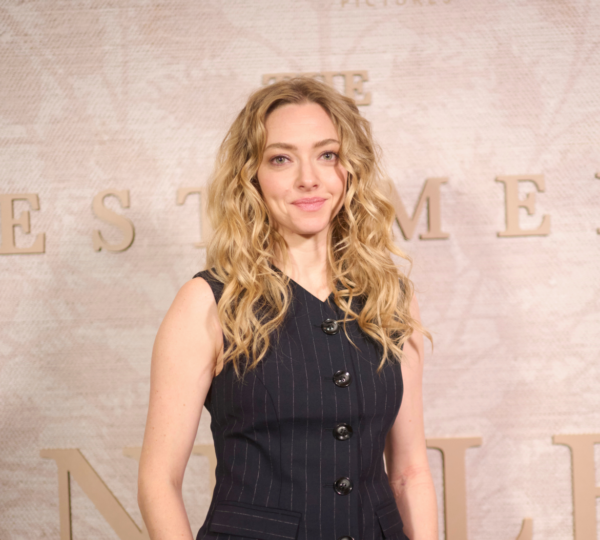
In early December 2025, in an interview with Who What Wear published as part of her promotional activities for her upcoming film The Testament of Ann Lee, Seyfried addressed the controversy directly.
When asked whether she regretted calling Charlie Kirk “hateful,” the actress emphatically said she would not apologize for her earlier comment. Her words were blunt and unfiltered.
In the interview, she said: “I’m not fing apologizing for that. I mean, for f’s sake, I commented on one thing. I said something that was based on actual reality and actual footage and actual quotes.
What I said was pretty damn factual, and I’m free to have an opinion, of course.”
This statement underscored her belief that her original social media comment was grounded in publicly available evidence — speeches, recordings, and past remarks from Kirk — and was not a gratuitous personal attack.
She also emphasized that expressing an opinion based on that evidence is her right as a private citizen and artist.
What She Says About Social Media Misinterpretation
Seyfried also reflected on how her initial comment was interpreted and amplified on social media. She said that once her comment spread widely, it was sometimes taken out of context or reframed in ways that didn’t reflect her original intent.
In her interview, she told Who What Wear that she was ultimately grateful for platforms like Instagram because they gave her a space to clarify her views, rather than letting others reshape them without her input.
“Thank God for Instagram. I was able to give some clarity, and it was about getting my voice back because I felt like it had been stolen and recontextualized — which is what people do, of course.”
Her remarks highlighted a common challenge many public figures face in the digital age: brief statements can be quickly reshaped and amplified in ways that alter their original meaning.
By speaking at length in an interview, Seyfried aimed to reclaim the context and emphasize that she was not advocating violence or endorsing harm.
How the Public Reacted
The public response to Seyfried’s refusal to apologize was deeply polarized. On one side, many fans and commentators applauded her for standing by her words and exercising her free speech.
Some praised her for speaking out against public figures they consider divisive or harmful, arguing that calling out rhetoric — even after a tragic event — is not only legitimate but necessary.
On social media, some commenters wrote in support of her stance, saying things like: “Amanda Seyfried has bigger balls than the entire Republican House of Representatives,” and “Thank god someone with a f**ing spine.”*
Others framed her response as resisting “cancel culture” or standing up for honest expression.

However, there were also many critics who continued to condemn her remarks. Some argued that publicly criticizing someone in the immediate aftermath of their death — particularly in a way perceived as moral judgment — is inappropriate or insensitive.
Others said her tone risked inflaming already tense political divisions or deflecting attention from the tragedy of the shooting itself.
Those criticisms came from both supporters of Kirk’s worldview and from observers who felt the comments shifted focus away from the broader issues surrounding political violence.
Public Figures Who Spoke Out
Amanda Seyfried was not the only celebrity to comment on Charlie Kirk’s death. Other well‑known actors and public figures such as Jamie Lee Curtis also spoke out on social media about Kirk’s legacy, drawing attention and debate.
Some of these remarks similarly required clarification after they were taken in ways the speakers did not intend.
These widespread reactions illustrate how high‑profile deaths — especially those involving political figures — often prompt public expressions that then become flashpoints in broader cultural conversations.
Celebrities with large platforms, like Seyfried, can find themselves at the center of these debates almost immediately.

Where the Conversation Stands Now
As of late 2025, Amanda Seyfried remains resolute in her stance. Her recent interview made clear she does not regret her original comment, nor does she believe she owes an apology for expressing a viewpoint about a public figure’s rhetoric and impact.
She maintained that her experience with the backlash underscored the complexity of trying to have nuanced conversations in an age of rapid online reaction and amplification.
At the same time, she reiterated that she never intended to suggest violence was justified or deserved — a clarification she emphasized multiple times since the controversy began.
By speaking at length about it, she aimed to reclaim context and articulate a more nuanced perspective than a single short social media comment could convey.
Final Notes
In an era where celebrity comments on political matters can rapidly go viral and generate intense debate, Amanda Seyfried’s situation highlights both the power and risks of speaking publicly about controversial figures.
Her refusal to apologize reflects not only her personal convictions but also broader tensions around free speech, public discourse, and the limits of social media communication in shaping public opinion and outrage.
As the conversation continues online and in media commentary, Seyfried’s stance stands as a reminder of the complexities involved when modern cultural icons engage directly with politically charged topics — especially in the emotionally fraught aftermath of violence.